Confidence & Connection · 8 min read
Scent and memory: how fragrance shapes how you feel
A smell can take you back thirty years in a second, before you've even worked out what it is. Here's why your nose is the most direct route to your past, and how to use that to shape how you feel today.
By Lisa · Published 22 June 2026
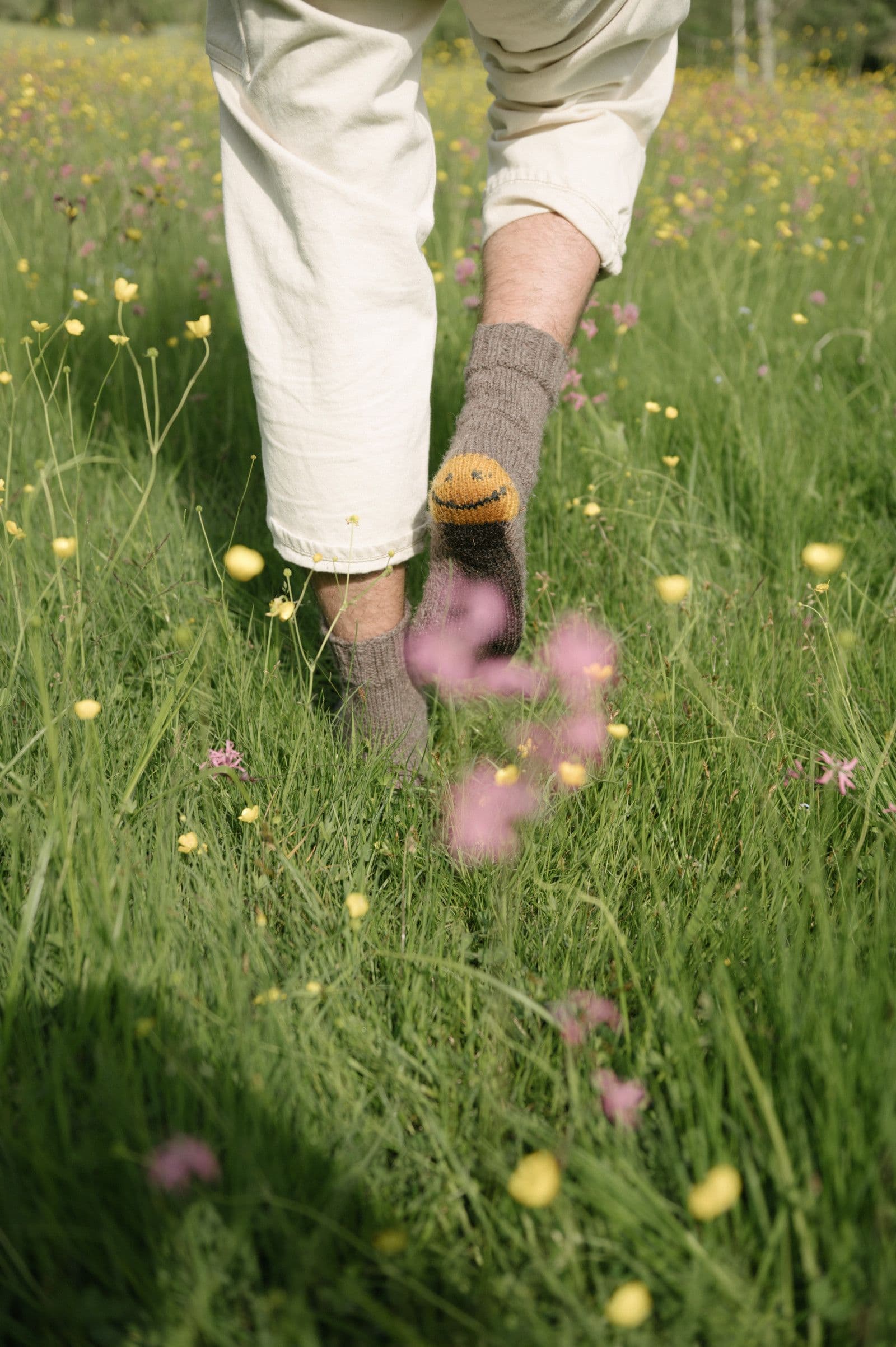
You're walking past a garden. Someone has just cut the grass.
And suddenly you're eight years old again. It's the summer holidays, the days are endless, and the only thing on your mind is whether there are ice lollies in the freezer.
You didn't decide to remember that. You didn't even know the memory was still there. One breath, and it was simply back, along with the feeling that came with it.
Sound familiar? Almost everyone has a smell like this. A grandparent's house. A school corridor. Suncream on a beach you haven't seen in decades. A song can do something similar, but a smell often goes further back and hits harder.
That's not just nostalgia. It's the way your brain is built. And once you understand it, you can start using scent on purpose, to bring back good feelings and to create new ones.
Why smell goes straight to your memories
Most of what you see and hear is checked by the thalamus first, a sort of sorting office in the brain. Smell skips it. The nerves in your nose feed into the olfactory bulb, which connects almost directly to the amygdala and hippocampus. The amygdala handles emotion. The hippocampus helps store memories. Smell is wired straight into both.
That's why a scent doesn't just remind you of something. It brings the feeling back too. Psychologists sometimes call it the Proust effect, after the French writer whose childhood came flooding back from one bite of cake dipped in tea.
Research has started to put some detail on it:
- Smell lights up the emotional brain. In a small 2004 brain-scanning study, women recalled a happy memory linked to a perfume. Smelling the perfume triggered more activity in the amygdala than seeing the bottle did, and they felt the memory more strongly.
- Smell reaches further back. In a 2006 Swedish study, 93 older adults were given a word, a picture or a smell and asked what memory it brought up. Words and pictures mostly brought back their teens and twenties. Smells took them back to before they were ten.
- Smell feels like time travel. The same study found smell memories came with a stronger feeling of being transported back, and they were memories people rarely thought about otherwise.
One explanation is that we meet most smells for the first time as children, and we rarely talk about them afterwards. So the first memory linked to a smell often stays the only one, kept almost untouched for decades.
Scent skips the thinking part and goes straight to the feeling.
Five scents and the memories they carry
Everyone's scent memories are their own. But some smells turn up again and again when people describe the moments that shaped them.
Sweet orange: Christmas morning
For a lot of us in the UK, this is the smell of a satsuma in the toe of a stocking, or clementine peel on the table after lunch. Warm, juicy and cheerful, it's one of the quickest mood-lifters there is. Reach for it when: you want a room to feel happy before anyone has said a word.
Lavender: clean sheets and a grandparent's drawer
Lavender bags tucked among the linen, a nan's hand cream, the bathroom of a house you visited every Sunday. For many people, lavender smells like being looked after. Reach for it when: you want to feel safe and settled.
Cedarwood: the inside of an old wardrobe
Dry, warm wood, like a pencil case, a cedar chest or a Christmas tree just brought in from the cold. It's grounding, and it reminds a lot of people of a home that felt solid. Reach for it when: you've been rushing all day and need to come back to yourself.
Rose: a summer garden
Real rose is deeper and spicier than the soap version, and it's the scent people most often link to a grandparent's garden. Our founder Lisa is one of them: the smell of roses still takes her straight back to her grandparents' house. Reach for it when: you want comfort with a bit of nostalgia.
Mint: fresh air and new starts
Toothpaste before the first day of school, a sprig in new potatoes, chewing gum on a long car journey. Clean and bright, mint tends to carry memories of beginnings. Reach for it when: you want to feel awake and ready.
That link between scent, memory and feeling is the reason AIRO exists. Every blend starts with a feeling, not a fragrance. Sweet orange is the heart of our SMILE blend, alongside bergamot, bitter orange and neroli, which you'll find in SMILE: The Happiness Candle. Lavender and cedarwood are in our SLEEP blend, in the Sleep Candle and the Sleep Room Mist. Spearmint brings a fresh lift to our EAT blend, made to clear the air after dinner and get the conversation going again. Every candle is made with pure essential oils and plant-based wax, in handblown glass you can refill.
If you're new to this: pick one scent you already love, the one that makes you feel like yourself. Start there, rather than chasing a scent you think you should like.
How to build your own scent memories
You can't choose which smells your childhood left you with. But you can choose which ones you're linking to good moments now. A few ways to do it:
- Give each mood its own scent. A morning scent, an evening scent, a bath scent. Keep them separate, and your brain learns what each one means. Over time, the smell alone starts to bring the feeling with it.
- Light it in moments that are already good. A slow Saturday breakfast, friends round for dinner, the first quiet half hour after the kids are in bed. The scent picks up the feeling, and hands it back later on a harder day.
- Mark the big occasions. Light a new candle for a new home, a birthday or the first Christmas in a new place. Years from now, that smell will put you right back there.
- Pack a smell when you travel. A room mist in your suitcase makes a hotel room feel like home faster, and brings the trip back every time you use it afterwards.
- Share it. Give someone a candle that reminds you of a time you spent together. It's a gift that keeps working long after it's opened.
Scent, memory and dementia
This one is personal for us. Lisa's Nan lived with dementia for a number of years, and watching someone you love change is one of the hardest things a family can go through. It's a big part of why AIRO supports Dementia UK with every sale.
In care homes, familiar scents are sometimes used to bring comfort or spark a conversation: lavender on a pillow, a favourite hand cream, the smell of baking. Families often say a smell can reach their loved one when words don't.
But we want to be honest about the science. A 2020 Cochrane review looked at 13 trials of aromatherapy for people with dementia. It found no convincing evidence that aromatherapy helps with dementia symptoms, and said the studies were too small and varied to be sure either way. Scent is not a treatment for dementia, and nobody should treat it as one.
What a familiar smell can do is make a moment feel a little kinder. That matters too.
If you're worried about your own memory or someone else's, talk to your GP. Dementia UK's Admiral Nurses also run a free helpline for families.
A few safety basics
- Don't put neat oils on your skin. They can irritate, and citrus oils can make skin burn more easily in the sun.
- Never leave a lit candle alone. Keep it away from curtains, children and pets. This matters even more around anyone who is frail or forgetful.
- Think about your pets. Cats in particular are sensitive to some oils. Keep the room aired, and don't shut a pet in with a lit candle.
- Check first if you need to. If you're pregnant, breastfeeding, have asthma or take regular medication, have a quick word with your GP or midwife.
What the evidence says, honestly
The link between smell and memory is one of the better-established ideas in this area. The brain wiring is well understood, and several studies show smell memories are older, more emotional and feel more vivid. But most of those studies are small, and smell memories aren't necessarily more accurate. They just feel more real.
It's also worth knowing that smells bring back hard memories as well as happy ones. If a scent unsettles you, trust that and choose another.
What scent reliably does is connect a feeling to a moment. Use that on purpose, and the smells around you can carry you back to the good bits whenever you need them.

Complete the ritual
Scent can help you encourages conversation.
EatRated 5.0 out of 5,6 verified reviews
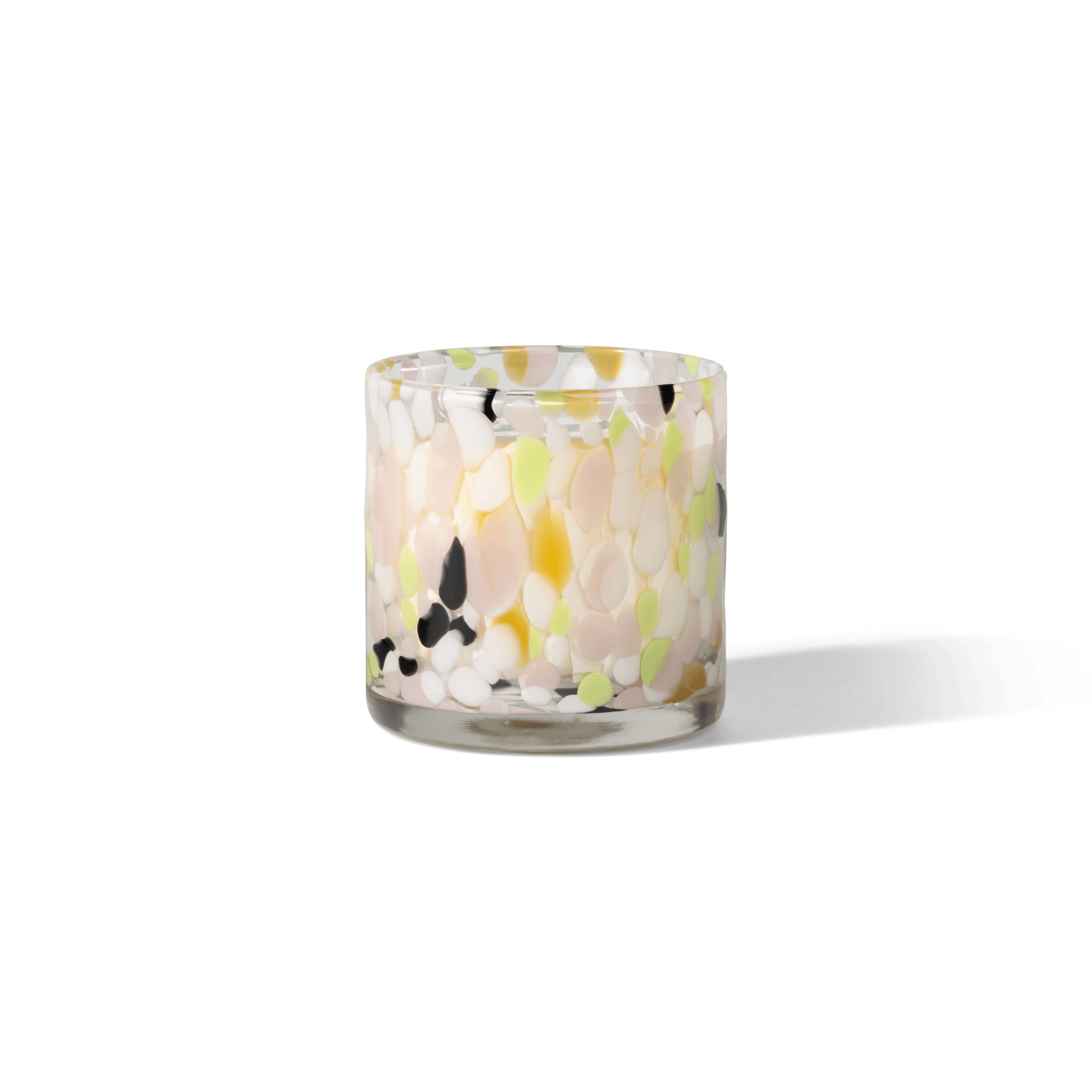
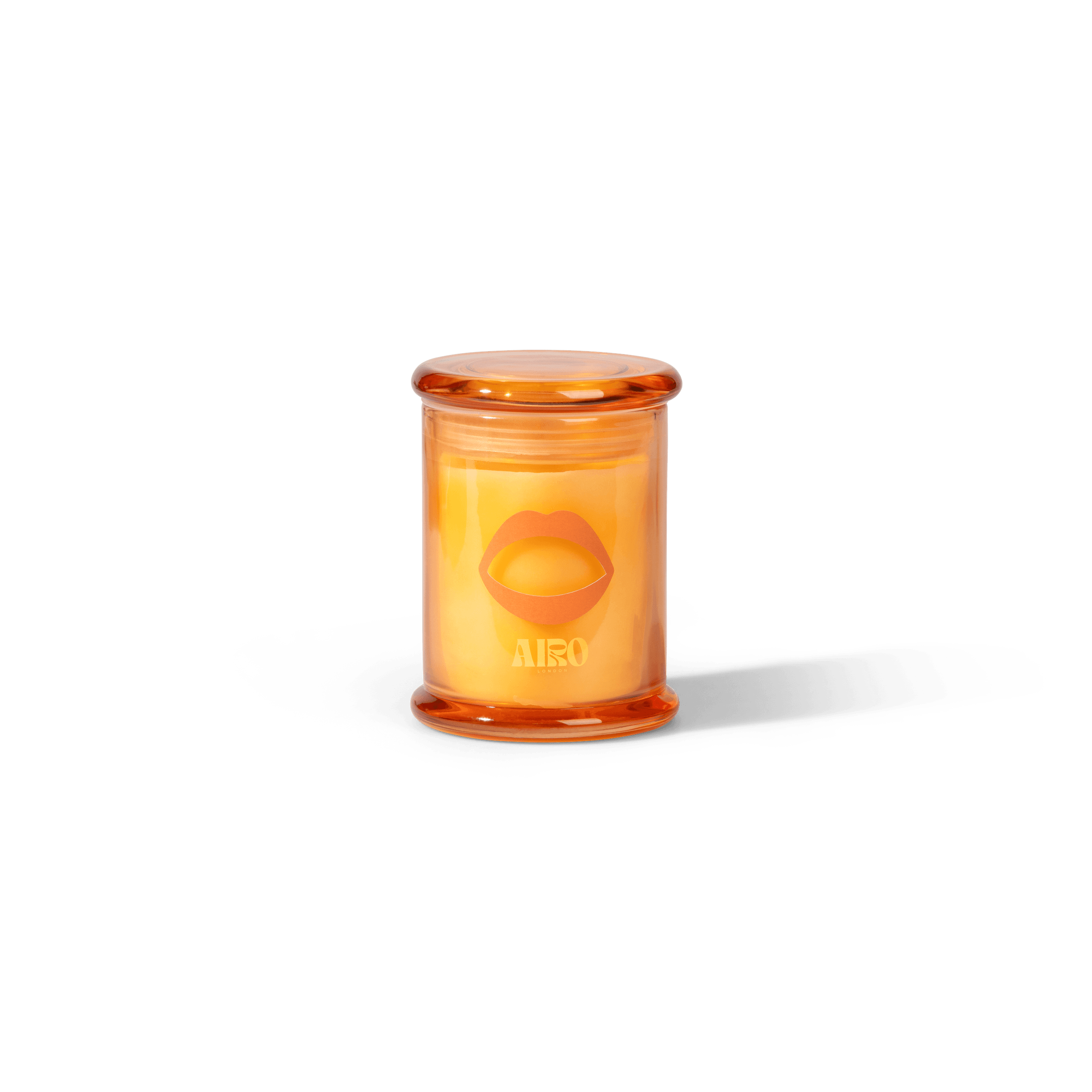
Eat — For the moments around the table. Light after cooking to neutralise food odours and lift the mood, so conversation flows long after the plates are cleared. Doubles as a natural bug repellent in summer; insects hate mint and lemon.
Ingredients
Lemon
Clean, sharp citrus. A natural deodoriser that cuts through cooking smells.
Sweet Orange
Sunny and familiar. Lifts the mood and energises a room.
Mint
Cool and bracing. Sharpens the senses and gets people talking.
Basil
Sweet and herbal. Traditionally used to clear the head and lift fatigue.
Mood
Entertaining
Good company deserves the perfect atmosphere. This blend is crafted to freshen your space, gently eliminate cooking odours, and fill the room with a welcoming fragrance that keeps conversation flowing and the mood exactly where you want it.
Uplifting
Bright, bold, and full of life — uplifting scents that turn an ordinary moment into something worth smiling about. Energising your space and your mood in equal measure.
Benefits
Encourages conversation
A fresh, lively blend for the table — clears the air after cooking and keeps the evening going.
Bug repellent
Mint and lemon are two scents many insects dislike. Light outdoors or by an open window on summer evenings.
Refreshes room after cooking
Neutralises lingering food smells rather than masking them, so the kitchen feels clean again.