Confidence & Connection · 6 min read
Aphrodisiac scents: setting the mood with fragrance
No oil is going to do the seducing for you. But scent can do something almost as useful: tell your body the working day is over and something else is starting. Here's how that works, and the five scents worth keeping for the evenings that matter.
By Lisa · Published 21 October 2026

Why 'aphrodisiac' is the wrong word (and the right idea)
A confession: the word aphrodisiac makes me wince a little. It conjures up oysters, a velvet-voiced perfume advert, and a promise no bottle has ever kept.
And yet. Think of the last time you walked into a room and something shifted. A candle burning low. A jumper that smelled of someone. The warm, woody end of a perfume as it settled on skin. You didn't decide to feel different. You just did.
That's the bit worth understanding. Smell is wired almost directly into the limbic system, the part of the brain that handles emotion, memory and, yes, desire. It gets there with very little processing on the way, which is why a scent can change your mood before you've consciously named it.
So scent isn't a love potion. What it can do is two quieter things that matter more than most people realise:
- It switches off the day. Stress is the most reliable mood-killer there is. It's hard to feel much of anything when half your brain is still drafting tomorrow's emails. Scents that relax you clear the way.
- It becomes a signal. Use the same scent for the same kind of evening and your brain starts linking the two. After a while, lighting it works like dimming the lights: the smell arrives and your body already knows what sort of night it is.
The takeaway: don't hunt for a scent that creates desire. Look for one that removes the obstacles and marks the occasion.
Desire rarely needs creating. It mostly needs room.
Five scents worth reaching for
A good mood scent tends to be warm, a little heavy and close to the skin, rather than bright and squeaky clean. These five have earned their reputations: a couple through research, most through centuries of being worn by people who wanted to be noticed.
Ylang ylang — the one with the reputation
Rich, sweet, almost buttery. In Indonesia the flowers are traditionally scattered over a newlywed couple's bed, which tells you everything about its standing. Small studies have found it lowers blood pressure and leaves people feeling calmer, which is exactly what you want early in the evening. It's intense, though. A little is lovely; too much and you're heading for a headache.
Jasmine — the warm-up
Where ylang ylang soothes, jasmine wakes things up. In one small trial, people who had jasmine oil applied to their skin reported feeling more alert and more lively. Heady, honeyed and a touch animal once it settles. This is the one for evenings when you're tired rather than tense.
Sandalwood — the skin scent
Creamy, soft wood that smells less like perfume and more like warm skin. It sits at the base of a blend, holding the brighter notes down and lasting for hours. If you want something that feels intimate rather than announced, start here. Look for Australian sandalwood; Indian sandalwood has been badly over-harvested.
Rose — the grown-up romantic
Forget the soap version. Real rose oil is deep, slightly spicy and surprisingly complex. It also takes several tonnes of petals to make a single kilo, which is why it costs what it does. Rose geranium gives you a similar feel for a fraction of the price.
5. Patchouli — the warm one
Earthy, musky and faintly sweet, somewhere between a damp forest floor and warm skin. It still carries a whiff of 1970s incense shops, but good patchouli is far more grown-up than its reputation. It comes from the leaves of a plant in the mint family, mostly grown in Indonesia, and like wine it gets smoother and rounder as it ages. Perfumers use it as a fixative: it anchors a blend and makes the other notes last longer. On its own it divides people. Underneath jasmine or rose, it adds a low, sensual depth that people can’t quite place.
How to actually use them
The scent matters less than how and when you use it. A few things that make the difference between a nice-smelling room and a room that changes the mood:
- Set the room before, not during. Light the candle 30 to 45 minutes ahead. Nobody wants to be fumbling with matches at the crucial moment.
- A candle where you start, a mist where you end up. Light a candle wherever the evening begins, whether that's the dinner table or the sofa. Mist the bedlinen earlier so the scent is already waiting.
- Keep it for these evenings. If the same candle burns while you do your tax return, it stops meaning anything. One scent, saved for the nights that matter, builds the association fastest.
- Go lighter than you think. Heavy florals fill a small bedroom quickly. If you can smell it from the hallway, it's too much.
- Never put oils neat on skin. For a massage, add three or four drops to two tablespoons of sweet almond or jojoba oil. And don't pour melted wax from an ordinary candle onto anyone; that's what proper massage candles are for.
- Blow it out. Obvious, but worth saying. You'll be distracted.
What the evidence says, honestly
No essential oil has been shown to work as an aphrodisiac in any medical sense. And those 'pheromone' sprays? Despite decades of searching, scientists still haven't conclusively identified a human sex pheromone. They're selling hope in a bottle.
The research that does exist is a mix of the useful and the frankly odd. In the 1990s, Chicago neurologist Dr Alan Hirsch measured arousal while people sniffed different scents. For men, the biggest response came not from expensive cologne but from lavender combined with pumpkin pie. For women, the top scorers included cucumber and liquorice sweets. Men's cologne, meanwhile, actually dampened things.
Small studies, eyebrow-raising results. But they make a useful point: what works is personal, and it's often about comfort and memory rather than anything overtly 'sexy'. If a particular smell takes you back to a holiday you loved, that's your aphrodisiac.
What scent reliably does is relax you, mark an occasion and draw your attention back to your senses. That's not nothing. Most of the time, low mood in the bedroom has less to do with chemistry than with tiredness and a head full of to-do lists.
If low libido has been going on for a while, it's worth a chat with your GP. It's very common, and often linked to stress, hormones or medication. Scent is a ritual, not a treatment.

Complete the ritual
Scent can help you set the mood.
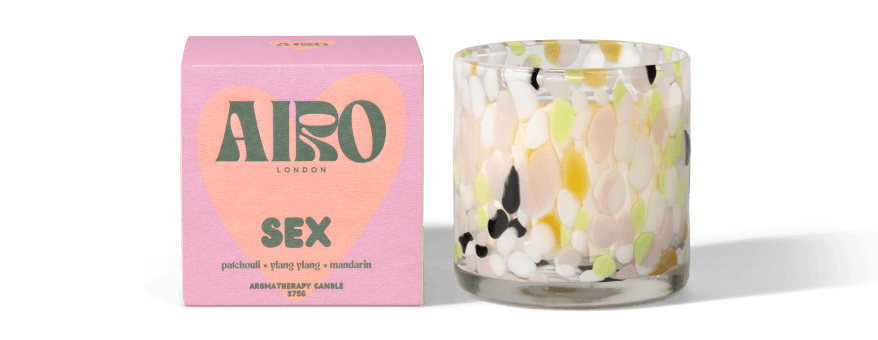
SexRated 5.0 out of 5,5 verified reviews
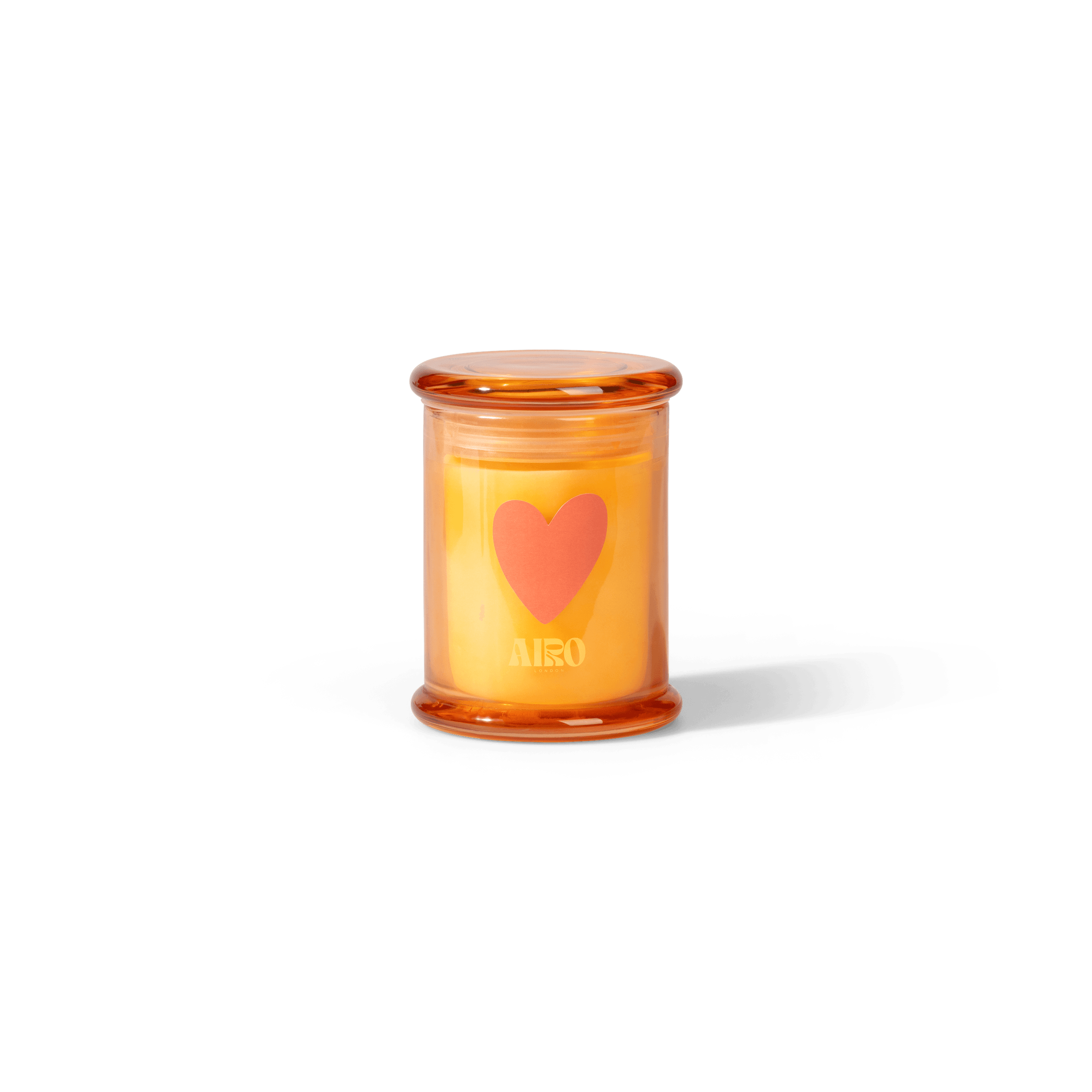
Sex — Confidence, warmth, passion. This blend is designed to relax the mind, lift the mood, and bring people closer. Naturally scented using aromatherapy principles, no synthetic fragrance, just the good stuff.
Ingredients
Ylang ylang
Rich, heady floral. Soothing, softly sedative, and a little seductive.
Mandarin
Soft, sweet citrus. Joyful and gently positive.
Patchouli
Deep, earthy and warm. Sensual and quietly reassuring.
Mood
Intimacy
A warm, sensual blend crafted to draw people closer, soften the atmosphere, and create the perfect romantic ambience. With deep, seductive fragrance notes designed to set the mood. Perhaps the ultimate date-night candle, turning any space into somewhere that feels effortlessly close, comfortable, and completely yours.
Confidence
A blend to ground you. A rich, composed scent that wraps around you like a second skin, quieting the noise and giving you the calm, steady feeling that you are exactly where you need to be.
Benefits
Set the mood
Warm, seductive notes that soften a room and slow the evening down.
Relax & reconnect
A blend to relax the mind and bring people closer.