Focus & Energy · 7 min read
Rosemary and memory: the science of scent for focus
You've walked into a room and forgotten why you're there. You've read the same paragraph three times. Here's why an old kitchen herb has a surprisingly good case for helping, and the four scents worth keeping on your desk.
By Lisa · Published 22 June 2026

It's half past two on a Tuesday. There's one job you need to finish before the end of the day, and you've opened it four times.
Each time, something pulls you away. A message. Another tab. A sudden need to check whether you replied to that email from last week. (You did.)
Sound familiar? Focus works a lot like sleep: the harder you chase it, the further away it gets. You can't force yourself to concentrate any more than you can force a name that's on the tip of your tongue.
What you can do is change what's around you. And one of the oldest tricks for that is probably already in your kitchen.
People have trusted rosemary with their memories for centuries. Shakespeare has Ophelia hand it out "for remembrance". Unusually, modern research has found something to back the folklore up. We'll be honest about how much further down, but first, the wiring.
Why rosemary works a little differently
If you've read our posts on scents for sleep or aromatherapy for anxiety, you'll know that smell skips the brain's sorting office. Scent signals go almost straight to the amygdala and hippocampus, the parts that handle emotion and memory. That's why a smell can pull up a memory with no warning, and why a scent used in the same place every day turns into a cue.
Rosemary has a second trick. Its main aromatic compound, 1,8-cineole, doesn't stop at your nose. When you breathe it in, small amounts are absorbed through your lungs and into your bloodstream. In a 2012 study at Northumbria University, twenty people did mental maths in a rosemary-scented room and then gave a blood sample. The more 1,8-cineole they had in their blood, the better they did.
So rosemary may be working in two ways at once. Part of it is the cue: your brain learning that this smell means work. Part of it may be the compound itself. The researchers think it acts on acetylcholine, a chemical messenger your brain uses to learn and recall, though that part is still being worked out.
The same team has tested rosemary several times:
- Better memory, slower recall. In a 2003 study, 144 people did memory tests in a room scented with rosemary, lavender or nothing. The rosemary group remembered more but took longer to do it, and felt more alert at the end. Lavender made working memory worse, which is fine at bedtime and less fine at your desk.
- Remembering to remember. In a 2013 study of 66 people, the rosemary room did better at prospective memory: remembering to do something later, like taking a tablet or passing on a message.
- Into later life. A 2016 follow-up with 150 people over 65 found the same boost to prospective memory, plus a lift in alertness.
Lavender is for 11pm. Rosemary is for 11am.
Four scents for when your mind keeps wandering
Rosemary: the one with the evidence
Green, sharp and a little piney, somewhere between a Sunday roast and a walk through a herb garden. It has more research behind it than any other focus scent, almost all of it from that Northumbria team. Notice the trade-off, though. People remembered more but recalled it more slowly, so it suits careful work better than fast work.
Reach for it when: you need to get something right, not just get it done.Peppermint: the quick lift
Cold, clean and impossible to mistake for anything else. In a 2008 Northumbria study, peppermint improved memory and left people feeling more alert, while ylang ylang, which we love at bedtime, did the opposite. Peppermint is punchy, so a little goes a long way.
Reach for it when: it's mid-afternoon and your energy has fallen off a cliff.Eucalyptus: rosemary's cousin
Eucalyptus is full of 1,8-cineole too, so it backs rosemary up rather than competing with it. There's less research on eucalyptus and memory specifically, so it's here as a supporting act. It makes a stuffy room feel as if someone has opened the windows.
Reach for it when: your head feels foggy or the room feels close.Lemon: the brightener
On its own, rosemary can smell a bit medicinal. Lemon takes the edge off and makes a desk smell clean rather than clinical. Honestly, the evidence for lemon and focus is thin. It's on the list because it makes rosemary much easier to live with.
Reach for it when: you want the room to feel fresh and awake first thing.
If you're new to this: start with rosemary and lemon together. It's the easiest pairing to like, and you can add peppermint later if you want more of a lift.
How to actually use them
When you use rosemary matters as much as how much. A few things that turn a nice-smelling desk into one your brain reads as work time:
- Scent the room before you sit down. In the over-65s study, the oil was diffused for five minutes before anyone walked in. Light the candle or switch on the diffuser while the kettle boils, so the room is ready when you are.
- Keep it for one job. If rosemary only comes out when you're studying or doing focused work, your brain learns what it means. Save softer scents for the evening.
- Go lighter than you think. In the 2012 study, the people with the most rosemary in their blood felt slightly less content. If you feel wired, headachey or irritable, open a window.
- Make it your starting gun. Light it at the same moment you close your messages and open the one thing you need to finish. Do that for a week and the smell starts to mean "right, this now".
A few safety basics
- Check first if you need to. This matters more with rosemary than most oils. If you're pregnant, breastfeeding, have epilepsy or high blood pressure, or take regular medication, have a quick word with your GP or midwife.
- Keep it away from little faces. Don't diffuse rosemary or eucalyptus close to babies or young children. Strong oils like these can affect small airways.
- Don't put neat oils on your skin. They can irritate. Mists are diluted for exactly this reason.
- Think about your pets. Cats in particular are sensitive to some oils. Keep the room aired, and don't shut a pet in with a lit candle.
- Never leave a lit candle alone. Keep it away from curtains, children and pets.
What the evidence says, honestly
You may have seen the headline that sniffing rosemary improves memory by 75%. That number came from newspaper coverage of a conference talk, and fact-checkers haven't found a published study to back it up.
The real findings are more modest. The studies are small, and almost all of them come from one research group. The effects are real, but they come with trade-offs: slower recall in one study, slightly lower mood in another. Rosemary won't make you cleverer. It may make it a little easier to hold on to what you're doing.
What scent does reliably is mark a beginning, the same way a candle at night can mark an end. If you've noticed changes in your memory that worry you, please talk to your GP. Scent is a support, not a treatment.

Complete the ritual
Scent can help you natural Deodorising.
AlfrescoRated 5.0 out of 5,1 verified review
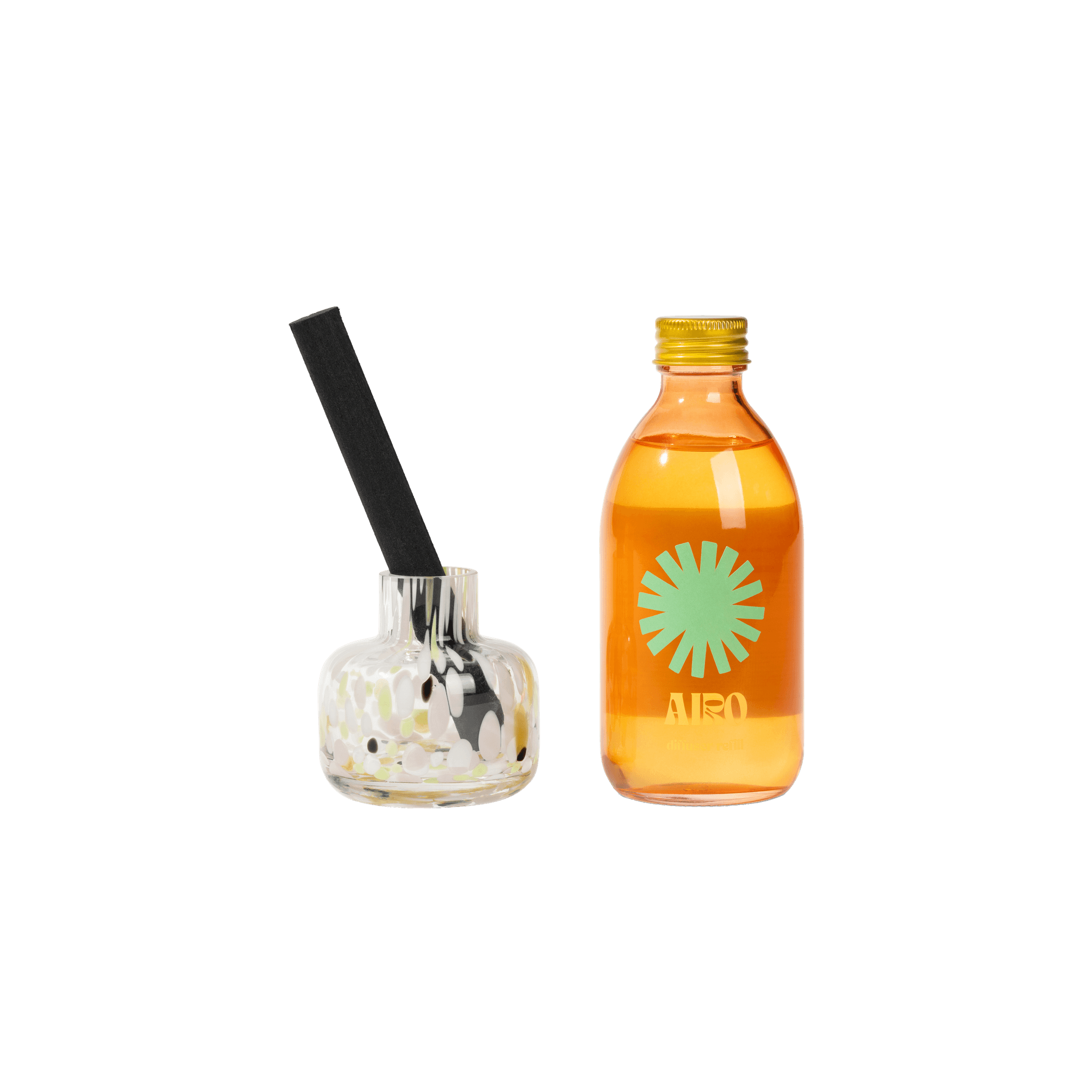
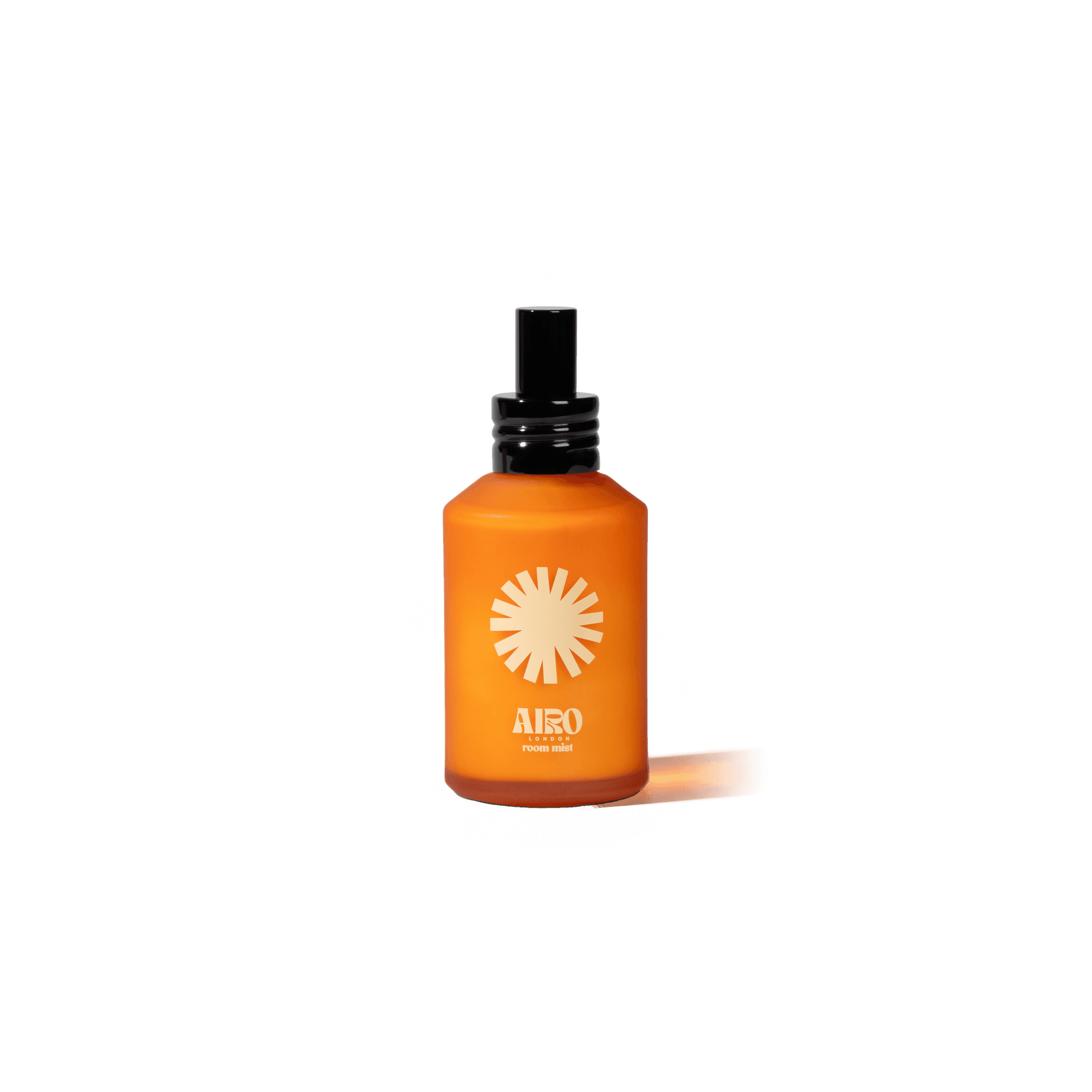
Alfresco — Fresh air, indoors. ALFRESCO brings the feeling of woodland walks and open skies into your home. A perfect fit for hallways, bathrooms and bedrooms greet guests (and yourself) with something that feels genuinely clean.
Ingredients
Cypress
Green and woody, like a forest after rain. Grounding and calming.
Grapefruit
Zesty and clean. A quick lift for mood and energy.
Himalayan Cedarwood
Warm, dry wood. Eases stress, encourages rest and insects dislike it.
Petitgrain
From the leaves of the bitter orange tree. Fresh, green and naturally antibacterial.
Mood
Revive
Light, refreshing blends that greet your guests at the door and leave your home feeling clean, energised, and welcoming.
Entertaining
Good company deserves the perfect atmosphere. This blend is crafted to freshen your space, gently eliminate cooking odours, and fill the room with a welcoming fragrance that keeps conversation flowing and the mood exactly where you want it.
Benefits
Natural Deodorising
Create a welcoming naturally scented environment