Sleep & Rest · 8 min read
The best scents for sleep, and the science of why they work
Some nights your body is tired and your brain hasn't had the memo. Here's why scent can reach the part of you that's still awake, and the five scents worth keeping by the bed.
By Lisa · Published 22 June 2026

It's gone midnight. You were yawning on the sofa an hour ago, but the moment your head hit the pillow, something switched back on.
Now you're lying very still, doing the maths. If I drop off now, that's six hours. Five and a half. Five.
Sound familiar? Sleep is one of the few things that gets harder the more you try. You can't decide to fall asleep any more than you can decide to sneeze. The bit of you that needs to let go doesn't take instructions.
What it does respond to is signals. The lights going down, the house going quiet, the same small rituals in the same order. And one of the most direct signals you can give it is a smell.
We'll be honest about what the research does and doesn't show further down. But first, the wiring, because once you understand it, the rest of this makes a lot more sense.
Why scent reaches the part of you that's still awake
Most of what you see, hear and touch goes through the thalamus first. Think of it as a sorting office: information gets checked and labelled, and only then does the emotional part of your brain get a say.
Smell skips the sorting office. The nerves in your nose feed into the olfactory bulb, which sits just above the bridge of your nose and connects almost directly to the amygdala and hippocampus, the parts of the brain that handle emotion and memory. (If you've read our guide to aromatherapy for anxiety, you'll recognise the amygdala as your brain's alarm system.)
That's why a smell can change your mood before you've even named it. It's also why scent works so well as a bedtime cue. Smell the same thing, in the same room, at the same point every night, and your brain starts filing it under "the day is over". After a few weeks, the scent on its own starts nudging you towards sleep, the same way the smell of your own washing powder can make a hotel room feel a bit more like home.
Here's the part most people don't know. Your nose largely clocks off once you're asleep. In a 2004 study at Brown University, researchers presented strong smells, peppermint among them, to sleeping volunteers. Once people were properly asleep, the smells barely registered, yet the same people woke quickly to a beeping tone. It's the reason smoke alarms make a noise rather than a smell.
So scent does its work in the window before sleep, while you're winding down and drifting off. That's good news. You don't need anything burning all night, and you can blow the candle out before you get into bed.
You can't decide to fall asleep any more than you can decide to sneeze.
Five scents for when you can't switch off
Lavender: the one with the evidence
Lavender is the sleep scent everyone knows, and for once the reputation is earned. Most of its effect is put down to linalool, one of its main compounds. A 2018 study found linalool calmed mice down, but only the mice that could smell it. Those without a working sense of smell showed no change at all, which suggests the effect really does come through the nose. Human studies are smaller, but several have linked lavender to better sleep quality.
Reach for it when: you're tired but your head won't go quiet.Cedarwood: the heavy eyelids
Warm and dry, like a wooden chest that's been in the family for years. Cedarwood contains cedrol, which lowered heart rate and blood pressure in a small study of people who simply breathed it in. On its own it's subtle. In a blend it adds weight, which is exactly what you want at bedtime.
Reach for it when: you're fidgety and turning the pillow over for the fourth time.Ylang ylang: for when you're wired, not worried
Some nights there's nothing on your mind. You're just buzzing after a late meeting, a good night out or one episode too many. In a 2004 study, people who inhaled ylang ylang had lower blood pressure and a slower pulse. It's rich and sweet, and a little goes a long way.
Reach for it when: your body is still running at daytime speed.Roman chamomile: the soft landing
Apple-sweet and gentle, with none of lavender's sharper edges. Most chamomile research is about drinking it rather than smelling it, so we won't oversell the science. But it's the scent people most often describe as feeling tucked in, and it rounds off lavender nicely if you find lavender a bit medicinal.
Reach for it when: you want comfort more than anything else.Lemon verbena: the light touch
Citrus usually means mornings, and most of it will keep you up. Lemon verbena is softer: lemony, but closer to a cup of herbal tea than a squeezed lemon. Honestly, the evidence for it as a sleep scent is thin. It's here because it stops a blend from feeling heavy, which matters if sweet, dense scents make your bedroom feel stuffy.
Reach for it when: the room feels close and you want it to feel fresh.
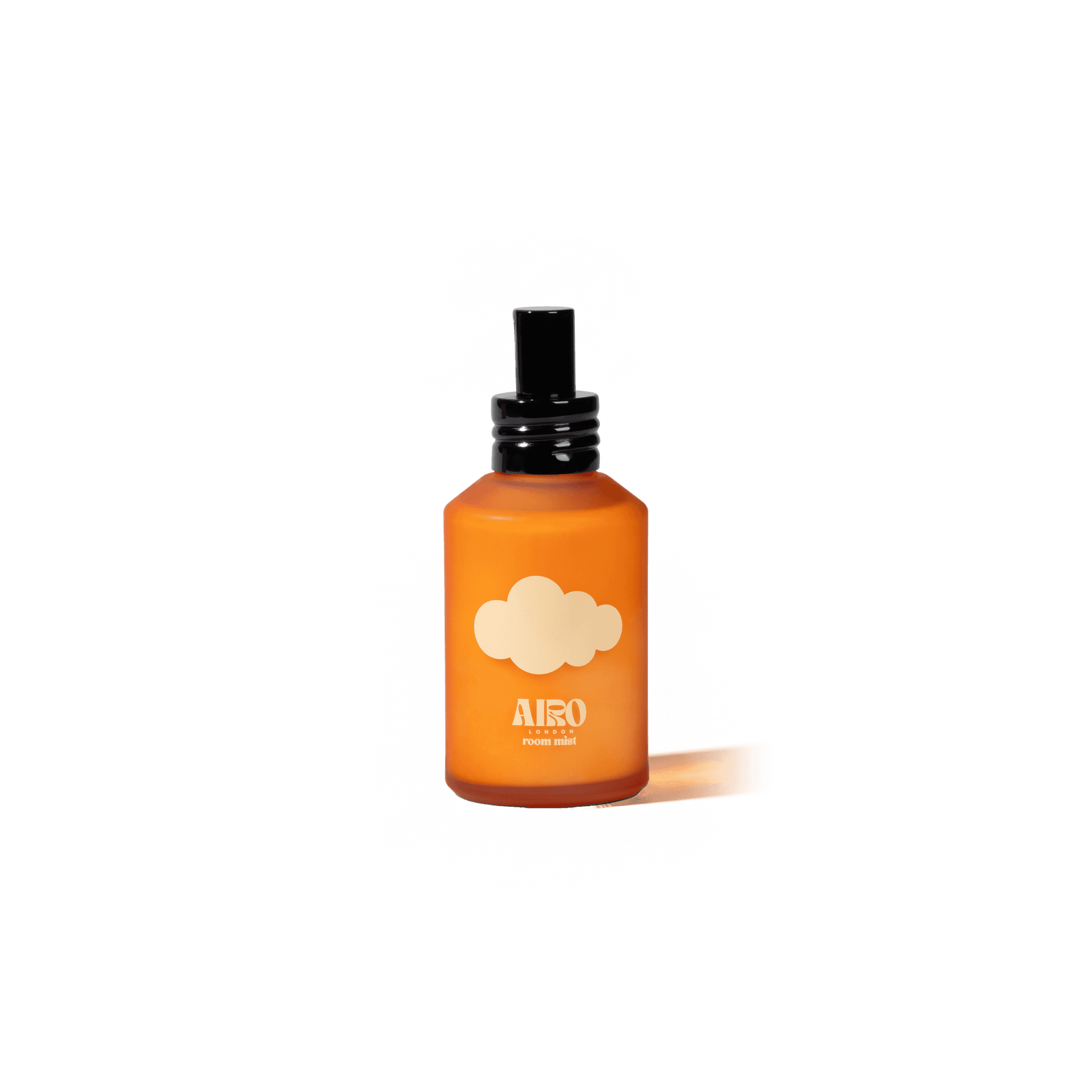
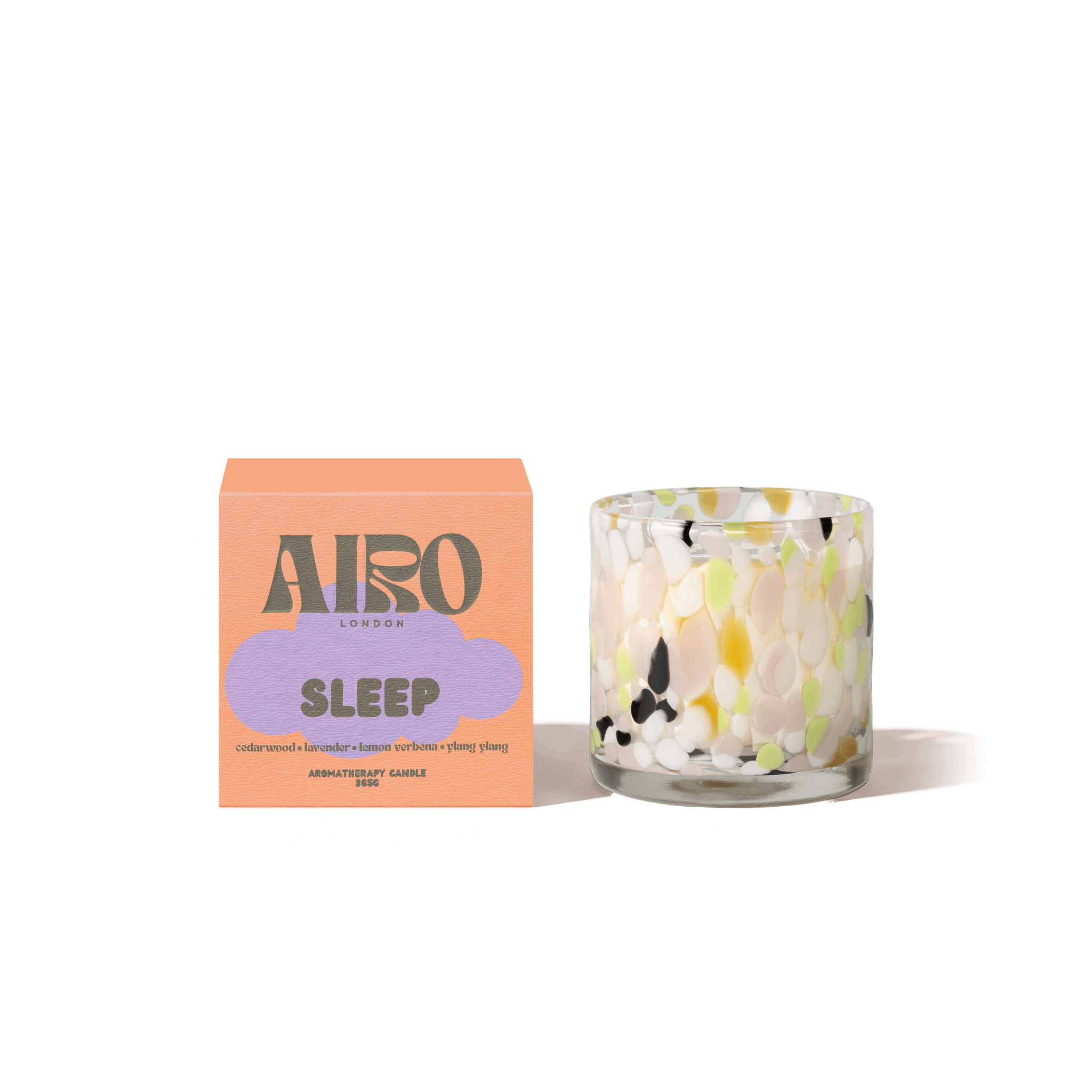
Lavender, cedarwood, ylang ylang and lemon verbena are the four oils in our SLEEP blend, which you'll find in the Sleep Candle and the Sleep Room Mist. Chamomile isn't in it, but it sits happily alongside if you'd like something softer.
If you're new to this: start with lavender and add one more. Cedarwood if you like something warm, chamomile if you like something soft.
How to actually use them
The scent matters less than the routine around it. A few things that turn a nice-smelling bedroom into one your body reads as bedtime:
- Start 45 minutes before bed. A scent needs time to fill the room, and you need time to notice it. Lighting a candle as you climb under the duvet is decoration, not a ritual.
- Keep it the same. Same scent, same time, same room. Your brain builds the link through repetition, so swapping every night means it never sticks. Save the zesty candle for the kitchen.
- Go lighter than you think. If it's still strong after twenty minutes, it's too much. Your nose stops noticing a smell surprisingly quickly. That's normal, and it doesn't mean the scent has stopped working.
- Candle for the room, mist for the pillow. The candle sets the room while you wind down. A spritz of mist on your pillowcase puts the scent right where you breathe once the candle is out. A couple of sprays from about 30cm is plenty, then give the fabric a minute to dry before your head goes down.
- Pair it with the big light going off. Light the candle and switch to a lamp at the same moment. Two signals at once teach your brain faster than one.
A few safety basics
- Blow the candle out before you get into bed. Never fall asleep with one burning, and keep it away from curtains, children and pets.
- Think about your pets. Cats in particular are sensitive to some oils. Keep the bedroom aired, and don't shut a pet in with a lit candle.
- Don't put neat oils on your skin or pillow. They can irritate. Mists are diluted for exactly this reason.
- Check first if you need to. If you're pregnant, breastfeeding, have asthma or take regular medication, have a quick word with your GP or midwife.
What the evidence says, honestly
Research on scent and sleep is real, but modest. Most studies are small and short, and "better sleep" usually means people saying they slept better rather than being monitored overnight. The effects that show up, like falling asleep a little faster and waking a little less, are worth having. They're also small enough that nobody should be selling scent as a cure for insomnia.
What scent does reliably is draw a line under the day. For a lot of us, the problem isn't that our bodies can't sleep. It's that the day never properly ends: emails at ten, one more scroll at eleven. A candle lit at the same time every evening is a full stop you can smell.
If you've been sleeping badly for a few weeks, or it's affecting how you get through the day, please talk to your GP. Scent is a support, not a treatment.

Complete the ritual
Scent can help you unwind before bed.
SleepRated 5.0 out of 5,11 verified reviews
Sleep — Better sleep, naturally. Blended with essential oils chosen for their sleep-enhancing properties, this blend helps you wind down, drift off, and wake up feeling human again.

Ingredients
Himalayan Cedarwood
Warm, dry wood. Eases stress, encourages rest and insects dislike it.
Lavender
The classic sleep oil. Calms the nervous system and helps you drift off.
Lemon verbena
Fresh lemon without the sharpness. Eases tension and restless nights.
Ylang ylang
Rich, heady floral. Soothing, softly sedative, and a little seductive.
Mood
Relaxing
Soft, deeply calming blends that gently ease tension from the body and quiet the mind, guiding you through the evening and into a long, restful night's sleep.
Calming
Permission to pause. This blend is an invitation to step back. A delicate, unhurried scent that clears the mind, giving you the rare and precious gift of a moment that is purely, simply yours.
Benefits
Unwind before bed
Lavender and cedarwood, chosen to slow the mind down. Light an hour before bed and let it do the work.
Relax & reconnect
A blend to relax the mind and bring people closer.