Calm & Stress · 8 min read
Aromatherapy for anxiety: a beginner's guide
Anxiety rarely announces itself. It turns up as a tight chest on the Tube, or a to-do list that keeps rearranging itself at 2am. Here's how scent can help you find your feet again, and the four oils worth starting with.
By Lisa · Published 22 June 2026

It's Sunday evening. Nothing is actually wrong. The washing's done, there's something in the oven, and tomorrow is just a normal Monday.
But somewhere between clearing the plates and putting the telly on, your chest has gone tight. Your thoughts have started running ahead of you: the email you didn't reply to, the meeting on Wednesday, whether you sounded a bit odd on the phone earlier.
You know the feeling. Most of us do.
The frustrating part is that you can see it happening. You know the email can wait. You know Wednesday will be fine. But knowing doesn't help, because anxiety isn't really happening in the thinking part of your brain. It's happening further down, in the part that runs on instinct and doesn't take instructions.
That's exactly why scent is worth paying attention to. You can't talk yourself out of a tight chest. You can change what your body is noticing, though. And smell has a direct line to the part of you that's sounding the alarm.
It isn't a cure, and we'll be honest later on about what the research does and doesn't show. But as a small, practical way to bring yourself back down, it's one of the simplest things you can try. Here's where to start.
Why scent gets through when reasoning doesn't
When you're anxious, your body is reacting to a threat, even if that threat is an unanswered email. The amygdala is a small, almond-shaped part of the brain that works as your alarm system. It flags danger, and your body follows: your heart beats faster, your breathing gets shallower, your shoulders creep up, and your stomach starts to fizz.
Most of your senses check in with the thinking part of your brain before they reach the emotional part. Smell doesn't. Scent signals go almost straight to the limbic system, which is where the amygdala sits. (We go into the wiring in more detail in our post on scents for sleep.)
That's why a smell can change how you feel before you've even worked out what it is. It's also why certain smells feel like safety: clean sheets, your mum's hand cream, the café you used to study in. Your brain filed those smells next to the feeling of being okay, and it hands that feeling back every time you smell them.
You can build that link on purpose. Pick one scent and bring it into moments when you already feel calm, like a slow bath, the first coffee on a quiet Saturday, or ten minutes with a book. Do this often enough and the scent starts to carry the calm with it. Then, when you reach for it on a bad day, your body recognises it.
There's a simpler effect too. You can't properly smell something without slowing down and breathing in. A slow, deliberate breath is one of the quickest ways to tell your nervous system to stand down, and a scent gives you a reason to take one.
Your brain filed those smells next to the feeling of being okay.
Four oils for when your mind won't settle
Lavender: the one with the research
If you only try one oil, make it this one. Lavender is the most studied scent in aromatherapy, and some of the most interesting research looks at anxiety rather than sleep. Several small studies, many of them in dental and hospital waiting rooms, found that people felt calmer when lavender was in the air. It smells floral, herby and faintly medicinal, and it's easy to overdo.
Reach for it when: your head is full and you need it to go quiet.Ylang ylang: the slow exhale
It's rich, sweet and heady, a bit like a warm evening somewhere you'd rather be. A handful of studies have linked ylang ylang to a lower heart rate and blood pressure, which matches how people tend to describe it: it makes them breathe out. It's strong on its own, so it works best softened by other oils.
Reach for it when: your body is wound tight, even if your thoughts aren't racing.Cedarwood: the grounding one
Dry, warm wood, somewhere between a pencil shaving and the inside of an old wardrobe. There's less research behind cedarwood, so it's on this list for a different reason: it feels solid. When anxiety makes you feel scattered, cedarwood brings you back into the room.
Reach for it when: you feel like you're in fifty places at once.Lemon verbena: the window you open
Anxiety and low mood often turn up together. A blend made only of deep, soft oils can feel like being tucked under a duvet when what you want is fresh air. Lemon verbena is lemon without the sharpness, closer to sherbet than juice, and it keeps a blend from feeling heavy.
Reach for it when: you're flat as well as on edge.
These four are the oils in our SLEEP blend, which you'll find in the Sleep Candle and the Relaxation gift set. Each oil has a job. Lavender and ylang ylang soften, cedarwood anchors, and lemon verbena keeps the air feeling light. We made it for the evening, but nothing stops you lighting it whenever the day gets loud.
If you're new to this: start with one scent and give it a week before deciding whether it works for you. Swapping every night means none of them gets the chance to become a cue.
How to actually use them
When and how you use an oil matters more than which one you pick. Here's how to work scent into your day so it's already there when you need it.
- Mark the end of the working day. Light the candle as you close the laptop or come through the front door. Anxiety thrives on days with no edges, especially if you work from home, and a lit candle is a clear sign that work is over.
- Pair it with three slow breaths. When you light the candle or spritz the mist, stop and breathe: in through your nose for four, out through your mouth for six. The longer out-breath is the part that tells your body to settle. Over time, the scent and the breathing become one habit.
- Get ahead of the hard bits. If Sunday evenings or the night before a big day are usually difficult, light the candle before the feeling arrives, not halfway through. Staying calm is easier than getting calm.
- Keep the mist within reach. A spritz on your pillow, the throw on the sofa or the cushion on your desk chair puts the scent where you'll breathe it in. If you wake at 3am with your mind racing, you'll have something familiar right there. Spray from about 30cm away and let it dry before you lie on it.
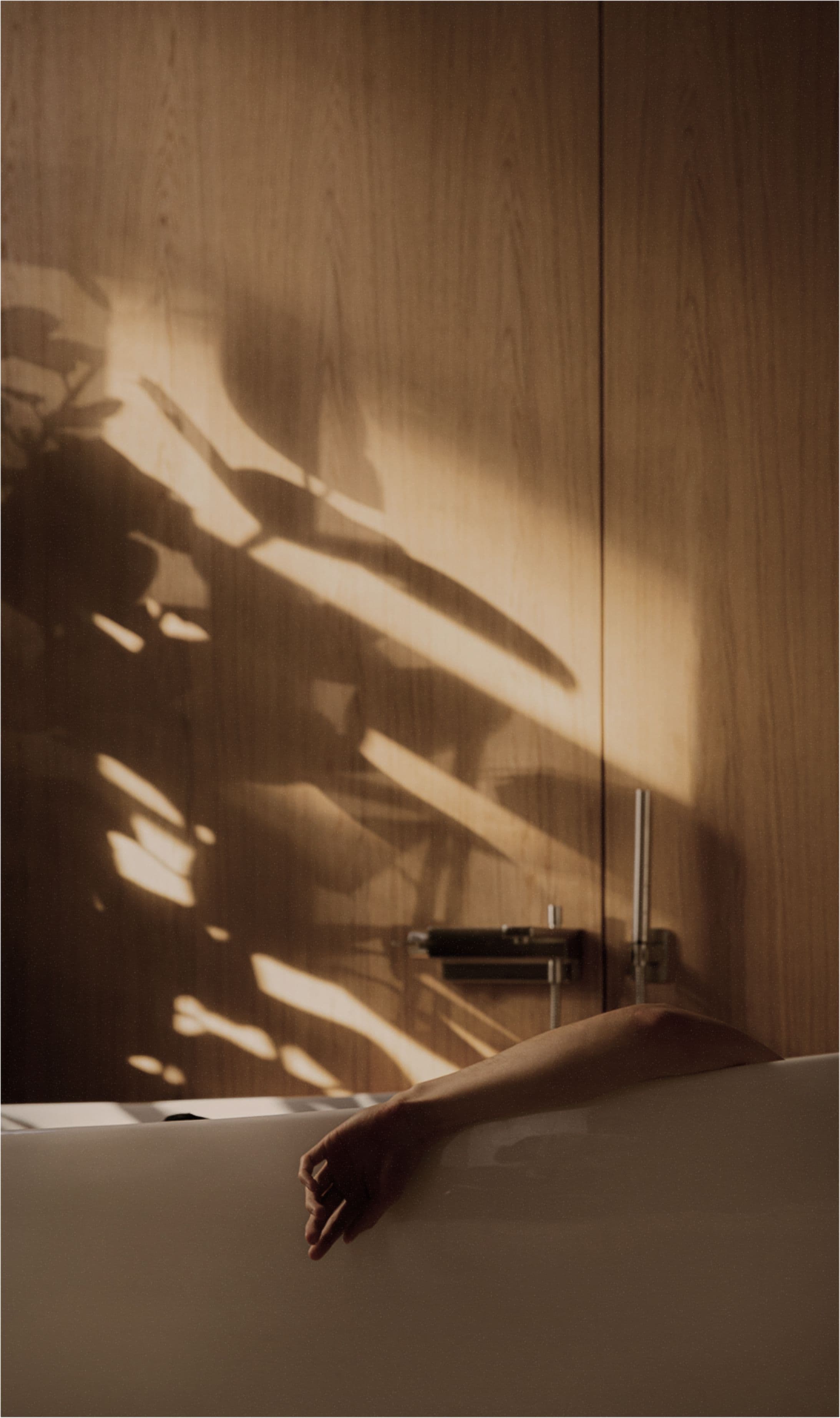
- Run a bath. Put the candle on the side of the bath, leave your phone in another room and give yourself twenty minutes. For most of us, it's the closest thing to a reset button.
- Stick with it. Part of why the scent works is that your brain learns what it means. Use the same scent for calm moments for a few weeks, and keep other scents for other jobs.
A few safety basics
Essential oils are natural, but they're also very concentrated, so a few sensible rules apply:
- Don't put oils straight onto your skin. Some, including lemon verbena, can irritate. Candles and mists let you enjoy the scent without that worry.
- Never swallow them. Not even a drop in water.
- Think about your pets. Cats in particular are sensitive to some oils. Keep the room aired, and don't burn a candle in a closed space your pet can't leave.
- Check first if you need to. If you're pregnant, breastfeeding, have asthma or take regular medication, have a quick word with your GP or midwife.
- Never leave a lit candle alone. Keep it away from curtains, children and pets.
What the evidence says, honestly
Research on aromatherapy for anxiety is promising but limited. Most studies are small and short, and many measure how anxious people say they feel rather than anything going on in the body. Lavender has the strongest evidence, and even that is modest. No scent will fix anxiety, and anyone who tells you otherwise is selling something.
What a scent can do is give you a pause, a slower breath, and a familiar signal that you're safe. That's small, but it's real, and on a hard day small things count.
If anxiety has stuck around for weeks, is affecting your sleep, work or relationships, or you're having panic attacks, please talk to your GP. In England, you can also refer yourself to NHS Talking Therapies without seeing your GP first. Scent is a support, not a treatment.

Complete the ritual
Scent can help you uplift & Energise.
SmileRated 5.0 out of 5,7 verified reviews
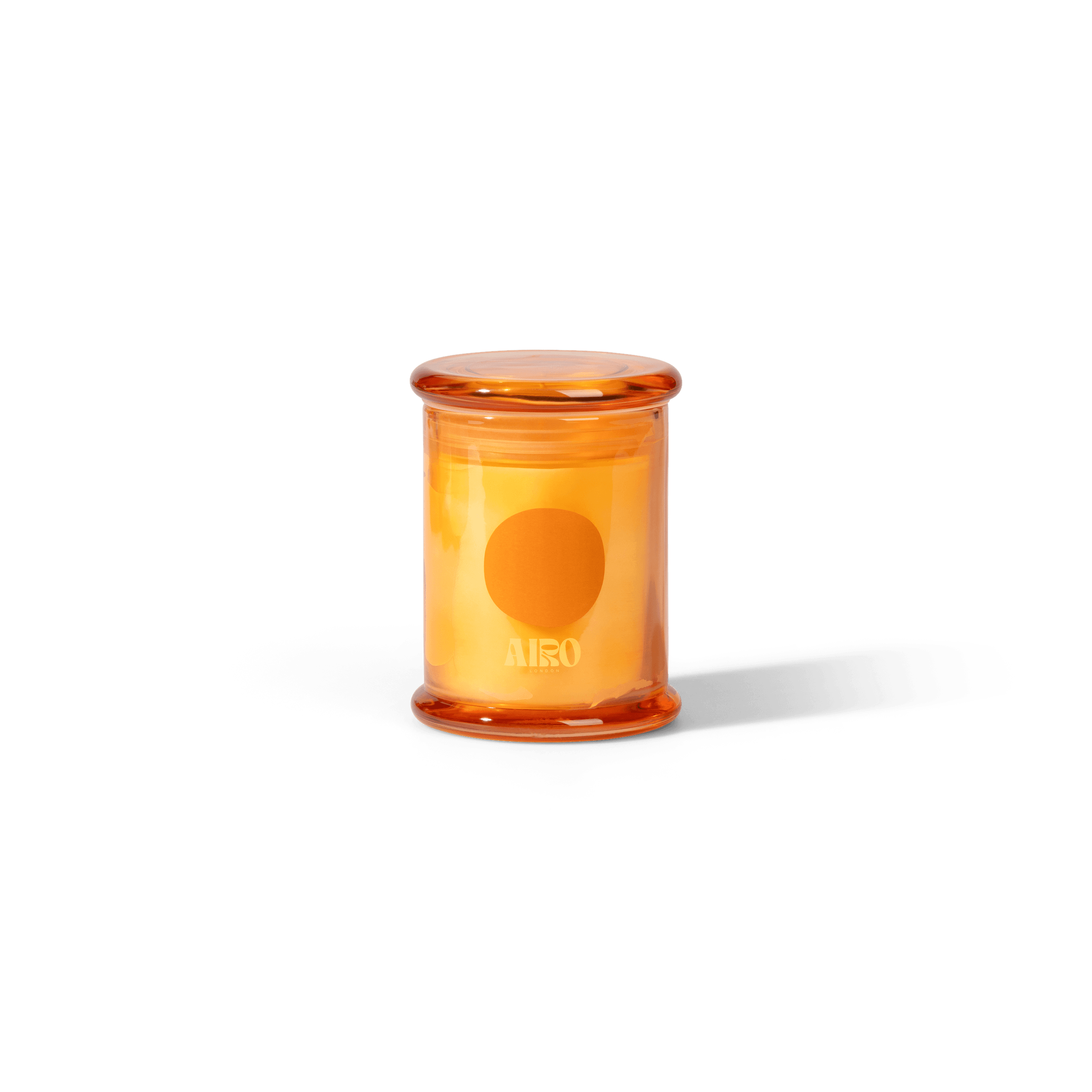
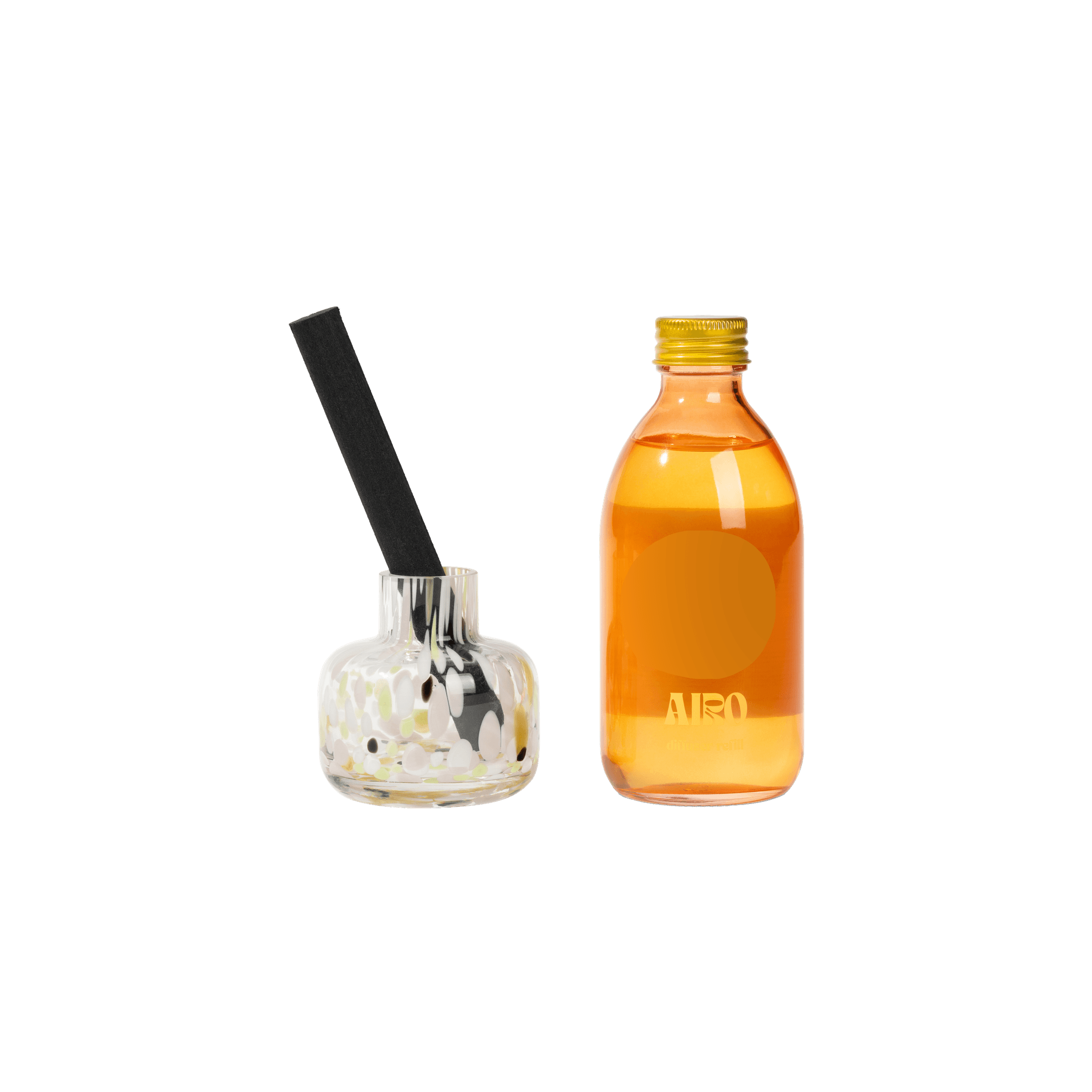
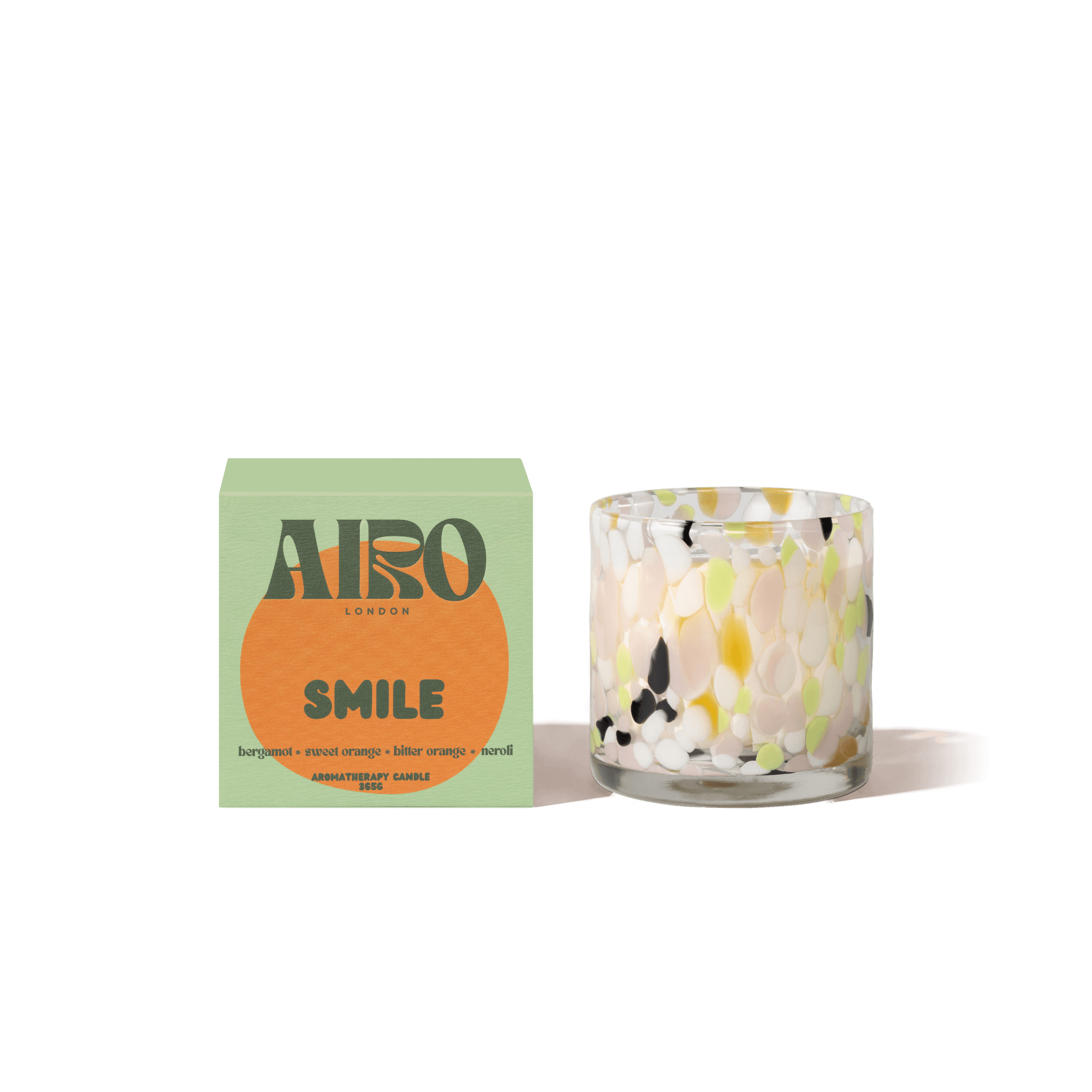
Smile — Pure, instant lift. SMILE is the fragrance you want in the rooms you use most. Citrusy, bright, and genuinely uplifting. No synthetics, no headaches, just good scent doing good work.
Ingredients
Bergamot
Bright citrus with a soft floral edge. Refreshing and calming at once.
Sweet Orange
Sunny and familiar. Lifts the mood and energises a room.
Bitter Orange
Sharper than sweet orange. Invigorating, and long used to ease stress.
Neroli
Orange blossom. Soothes tension and settles a busy mind.
Mood
Revive
Light, refreshing blends that greet your guests at the door and leave your home feeling clean, energised, and welcoming.
Uplifting
Bright, bold, and full of life — uplifting scents that turn an ordinary moment into something worth smiling about. Energising your space and your mood in equal measure.
Benefits
Uplift & Energise
Bright citrus for a quick lift. The scent for mornings, desks and rooms that need waking up.